
Cost of Living in Toronto: Housing, Rent & Expenses
Toronto is one of the most popular cities in Canada, but it is also one of the most expensive places to live. Rent is usually the biggest monthly cost, but it is not the only one. Groceries, transit, utilities, internet, phone plans, insurance, and personal spending all shape your real monthly budget.
This guide gives a practical SEO-friendly overview for newcomers, students, workers, families, and anyone comparing the cost of living in Toronto. Use it as a starting point before you choose a neighbourhood, sign a lease, or build a monthly budget.
Quick Answer: How Much Does It Cost to Live in Toronto?
The short answer is that Toronto can be manageable, but housing choices matter more than almost anything else. A person sharing an apartment can spend much less than someone renting a private downtown condo. Families also need to plan for larger grocery, transit, utility, and childcare-related costs.
Expense Overview
- Rent / housing: Highest monthly cost — Compare neighbourhoods and check what utilities are included.
- Groceries: Medium to high — Use weekly flyers, discount stores, and meal planning.
- Transit: Predictable if using TTC — Check fares and passes before building your commute budget.
- Utilities and internet: Depends on unit and provider — Ask which bills are included before signing a lease.
- Lifestyle spending: Flexible — Track restaurants, coffee, entertainment, and subscriptions.
Housing and Rent in Toronto
Housing is the main reason Toronto feels expensive. A rental near downtown, major employment areas, universities, or subway lines will usually cost more than a similar unit farther from the core. The tradeoff is commute time. A cheaper apartment may not save money if it adds long travel time or makes a car necessary.
For a useful official reference, review the City of Toronto page for Average Market Rents and Utility Allowances. This is not the same as every private listing price, but it is a helpful benchmark when comparing unit sizes and affordability programs.
What to Check Before Renting
- Is heat, water, or hydro included in the rent?
- Is laundry in the unit, in the building, or outside the building?
- How long is the commute to work, school, or family needs?
- Is the building close to grocery stores, transit, parks, and basic services?
- Are there extra costs for parking, storage, internet, or tenant insurance?
Tenants should also understand Ontario rent increase rules. The Government of Ontario explains the residential rent increase guideline, including the 2026 guideline and when it applies.
Neighbourhood Choice Can Change Your Budget
Your monthly cost can change a lot depending on where you live. Downtown Toronto may reduce commute time, but rent is often higher. Areas farther from the core may offer more space or lower rent, especially when they have reliable subway, streetcar, GO Transit, or bus connections. Before choosing a neighbourhood, compare rent, commute time, grocery access, parking needs, and how often you expect to travel across the city.
A simple rule is to calculate the full cost of a location, not only the rent. A lower rent may be less useful if the area requires expensive commuting, frequent rideshares, or car ownership. On the other hand, a slightly higher rent near work or transit may make daily life easier and reduce transportation costs.
Groceries and Food Costs

Groceries are one of the easiest budget categories to underestimate. A single person who cooks at home will usually spend less than someone who often buys takeout or coffee. Families need a larger monthly food budget, especially when buying fresh produce, meat, dairy, school snacks, and household basics.
For food price trends, Statistics Canada maintains a Food Price Data Hub with official data and related resources. This is useful when you want to understand why grocery bills may feel higher over time.
Ways to Control Grocery Spending
- Plan meals before shopping so you do not buy food that gets wasted.
- Compare weekly flyers and use price matching where available.
- Buy store brands for basic items such as rice, pasta, canned goods, and frozen vegetables.
- Use local produce markets when prices are better than major stores.
- Limit takeout to a set weekly or monthly amount.
Transportation: TTC, Driving, and Commuting
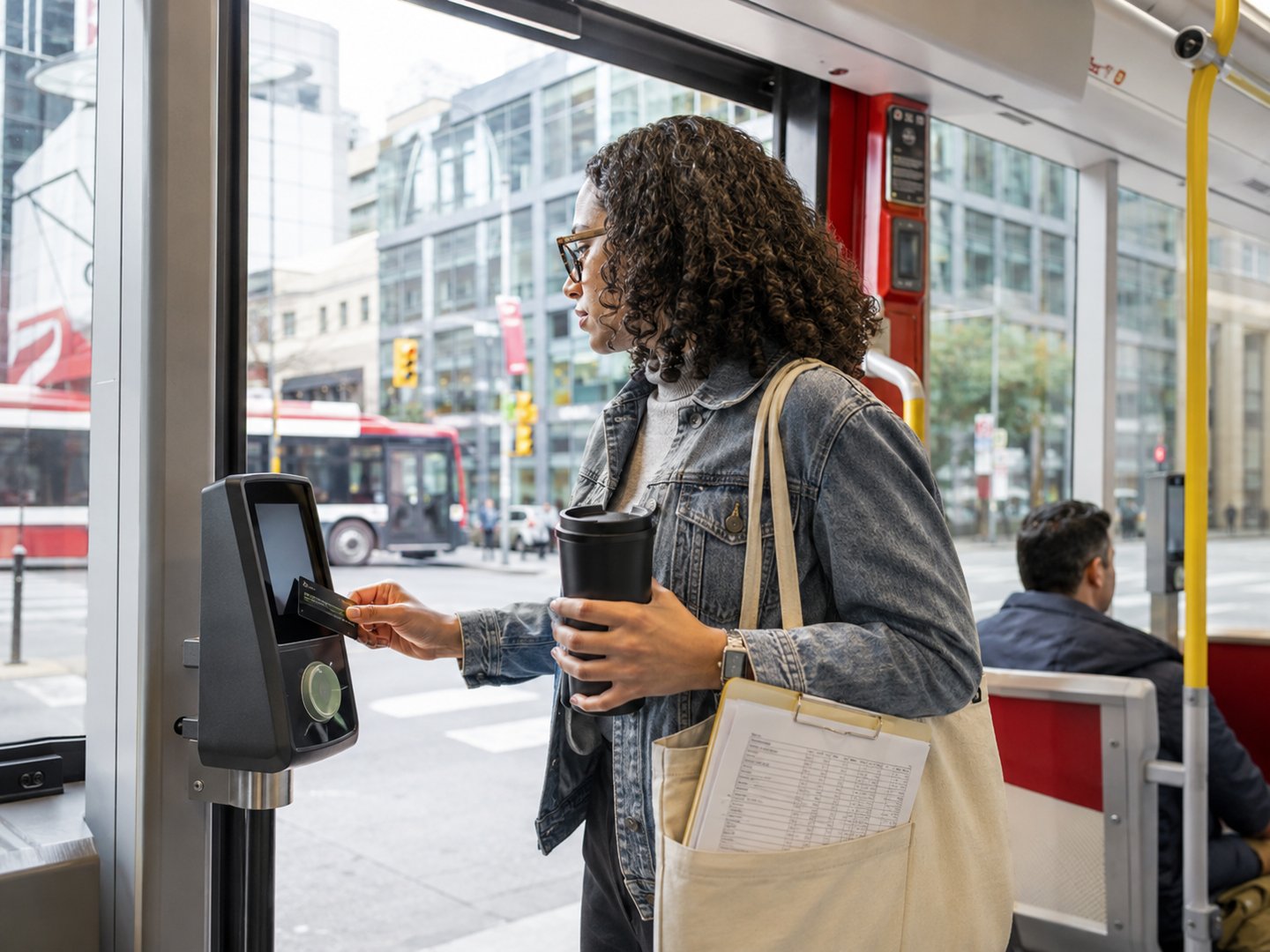
Transportation costs depend on where you live and how often you travel. Many Toronto residents rely on the TTC because owning a car can add insurance, fuel, parking, maintenance, and repairs. If your home and workplace are near good transit routes, public transit is often the more predictable monthly cost.
Before you choose a neighbourhood, check the official TTC fares and passes page. It helps you compare single fares, monthly options, and discount programs.
Driving can make sense for some families, shift workers, tradespeople, or people who need to travel across the GTA. But for many renters in central Toronto, parking and insurance can make car ownership much more expensive than expected.
Utilities, Hydro, Internet, and Phone Bills
Utilities are easy to miss when comparing apartments. Some rentals include heat and water, while others charge separately for hydro. Internet and mobile phone plans also vary by provider, speed, data, and promotions. Always ask the landlord or property manager what is included before you sign.
Toronto Hydro publishes official information on residential electricity rates. The Ontario Energy Board also explains how electricity rates work for residential customers in Ontario.
If you work from home, budget for stable internet and possible extra electricity use. If you live with roommates, agree on how bills will be split before moving in.
Sample Monthly Budget Categories for Toronto
- Rent or mortgage payment
- Tenant insurance or home insurance
- Hydro, heat, water, and internet
- Mobile phone plan
- Groceries and household supplies
- Transit, gas, parking, or rideshare costs
- Debt payments, savings, and emergency fund
- Restaurants, coffee, entertainment, gym, and subscriptions
- Clothing, personal care, and medical or dental costs not covered by insurance
For a clean budgeting tool, use the Government of Canada / FCAC Budget Planner. It helps organize income, expenses, savings, and financial goals.
Helpful Official Resources for Renters
If rent becomes difficult to manage, do not wait until the problem becomes an emergency. Toronto has official housing support pages that can help renters understand options and find local help.
- Toronto Rent Bank: Support for eligible Toronto residents who are behind on rent or need help with a rental deposit.
- Rent-Geared-to-Income Housing: Long-term subsidized housing information for eligible low-income households.
- Housing Help & Support Services: City information for housing help centres, legal support, and services that help people find and keep housing.
FAQ: Cost of Living in Toronto
Conclusion
Toronto is an amazing city, but it’s not cheap. Rent, food, and transportation take up most of your budget, but with careful planning, you can live here without going broke. If you’re thinking about moving to Toronto, make sure you budget wisely and explore affordable neighborhoods. Whether you rent, own a home, or share an apartment, there’s always a way to make it work.
